Focused study page

Neuroanatomy Flashcards App

neuroanatomy flashcards app needs more than a static note page. Anatomy & Physiology Learning gives students flashcards, a human body atlas, AI explanations, quizzes and progress tracking in one iPhone workflow.

Use this page as a focused entry point for brain regions, cranial nerves, spinal cord tracts, autonomic pathways, sensory systems and clinical lesions. Each topic links back to the app workflow so Google and students can understand the exact study intent.

Neuroanatomy Flashcards App screenshot
Overview

What to review

The workflow is simple: see the structure, answer before revealing the card, test under pressure, then repeat the weak cards until recall becomes stable.

  • brain regions
  • cranial nerves
  • spinal cord tracts
  • autonomic pathways
  • sensory systems and clinical lesions
Study answer

What neuroanatomy flashcards app should help you remember

Neuroanatomy Flashcards App are useful when they turn a broad chapter into specific recall tasks. The goal is not to reread a summary; it is to prove that you can retrieve the term, place it in the body and use it in a physiology explanation.

Core checklist

  • Brain RegionsDefine it, explain why it matters, then answer one card without looking.
  • Cranial NervesDefine it, explain why it matters, then answer one card without looking.
  • Spinal Cord TractsDefine it, explain why it matters, then answer one card without looking.
  • Autonomic PathwaysDefine it, explain why it matters, then answer one card without looking.
  • Sensory Systems And Clinical LesionsDefine it, explain why it matters, then answer one card without looking.

Practice prompts

  • Explain brain regions in one sentence, then connect it to a body system or clinical example.
  • Explain cranial nerves in one sentence, then connect it to a body system or clinical example.
  • Explain spinal cord tracts in one sentence, then connect it to a body system or clinical example.
  • Explain autonomic pathways in one sentence, then connect it to a body system or clinical example.

When the app helps

Use the app after a first pass through notes. Cards and quizzes are strongest when you already saw the topic once and need fast repetition, weak-card filtering and visual atlas support.

Exam-focused study guide

Turn the topic into a real review session

What to know first

Start with neuroanatomy flashcards app, then connect the terms to body systems, location, function and clinical language.

  • brain regions
  • cranial nerves
  • spinal cord tracts
  • autonomic pathways
  • sensory systems and clinical lesions

Practice prompts

  • Explain brain regions without looking, then check the atlas or flashcard answer.
  • Explain cranial nerves without looking, then check the atlas or flashcard answer.
  • Explain spinal cord tracts without looking, then check the atlas or flashcard answer.
  • Explain autonomic pathways without looking, then check the atlas or flashcard answer.

Review loop

Use a short quiz, mark weak cards, then repeat the cards that took longer than expected.

AnatomyFlash

How the app helps

Open Anatomy & Physiology Learning, choose the closest deck, review with active recall and test weak areas.

Active recall first

Cards are built for answering before reading, which is the fastest way to expose weak anatomy and physiology knowledge.

Visual context

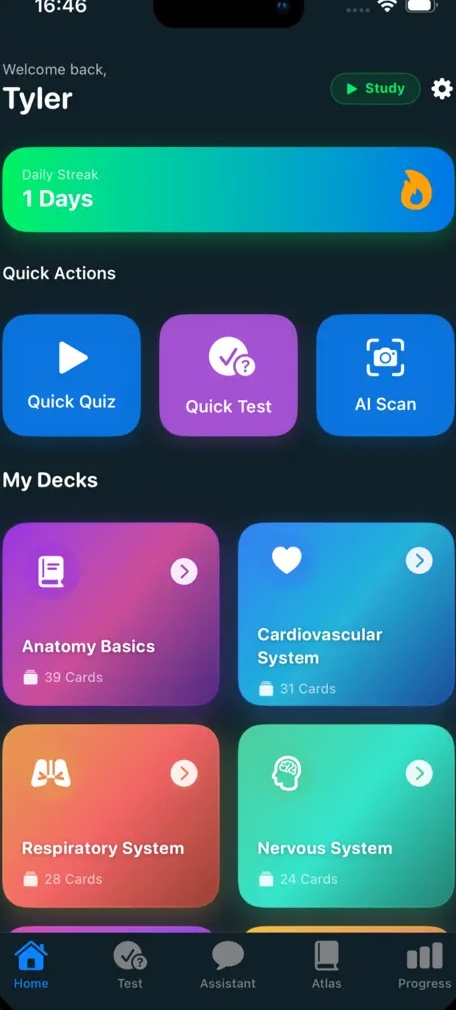
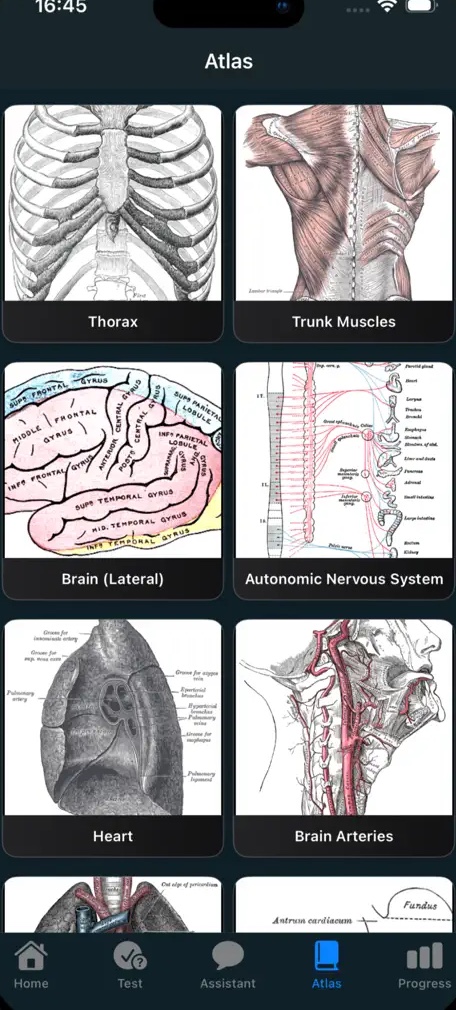
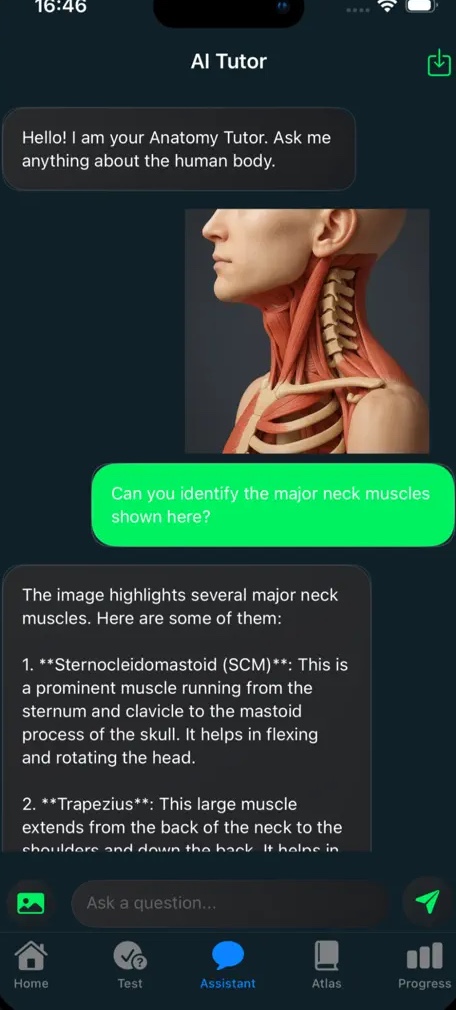
Atlas and App Store screenshots connect text prompts with body regions, systems and clinical context.

Exam practice

Quiz and timed test modes convert passive review into measurable practice.

Progress loop

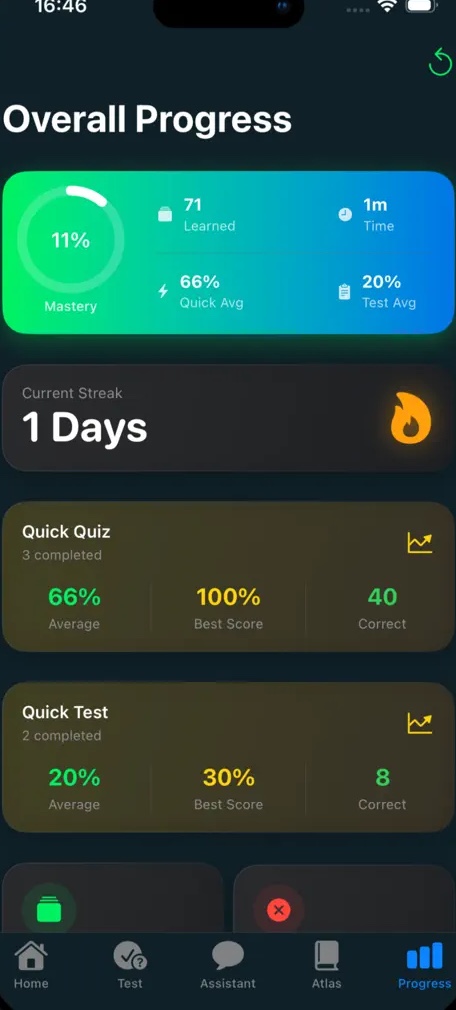
Weak cards, streaks and progress screens help students return to what still needs work.

Learning hub screenshot
Learning hub
Human body atlas screenshot
Human body atlas
AI anatomy tutor screenshot
AI anatomy tutor
Progress tracking screenshot
Progress tracking
FAQ

Practical details before downloading.

What should neuroanatomy flashcards app cover?

Neuroanatomy Flashcards App should cover brain regions, cranial nerves, spinal cord tracts, autonomic pathways, sensory systems and clinical lesions, then test whether the student can explain each item without rereading notes. neuroanatomy flashcards app

How do I study neuroanatomy flashcards app faster?

Use a short active-recall loop: answer the card first, check the explanation, mark weak terms, then repeat only the cards that were slow or wrong. neuroanatomy flashcards app

Are neuroanatomy flashcards app useful for exams?

Yes, if the cards force recall instead of recognition. The best use is quick daily review plus timed quizzes for weak systems. neuroanatomy flashcards app

Can I use this for exam revision?

Yes. The topic pages are designed around repeat review, active recall and quick testing. neuroanatomy flashcards app

Is this only for medical students?

No. It also fits nursing, pre-med, allied health and anatomy course review. neuroanatomy flashcards app

Does the app include visual anatomy?

Yes. The app includes body atlas references and App Store screenshots show the visual study flow. neuroanatomy flashcards app

Study this topic in the iPhone app

Open Anatomy & Physiology Learning, choose the closest deck, review with active recall and test weak areas.

Download on the App Store